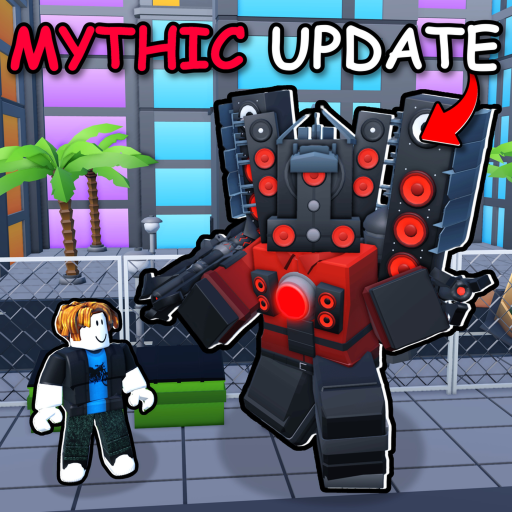
100 Coins
One random unit from the rarity pool.
Every Alliance Tower Defense! reward system explained: Summon costs and odds (100/850 Coins), crate percentages, Tickets and the Spin Wheel, the AFK Area, and Group Rewards — checked 2026-10-15.
Matches pay Coins by difficulty — 100 for Easy up to 1,000 plus a Spin Ticket for Crazy. Coins buy Summons (100 each, 850 for a 10-pull), which roll a documented rarity ladder from Basic at 50% down to Mythic at 0.1%. Crates are the second reward track: Scientist Crates come from Insane clears and hold the economy units, while Party Crates come from the hourly Piñata and hold event units. Tickets from Crazy mode feed the Spin Wheel, the AFK Area trickles 2 Coins per minute, and the Group Rewards chest pays 150 Coins every 24 hours if you join the MrUpTime's Games group.
the 10-pull costs 15% less per summon than ten single pulls. the community wiki documents a pity of 1000 summons for Titan Speaker Man 2.0 (0.1% base chance); the developer has not published official odds, so treat the pity as community-observed rather than confirmed.
One random unit from the rarity pool.
Ten pulls at a 15% per-summon discount.
Community-documented guarantee for Titan Speaker Man 2.0 (unconfirmed by the developer).
| Rarity | Documented chance | Units in the pool |
|---|---|---|
| Basic | 50% | Speaker Man |
| Uncommon | 35% | Camera Man |
| Rare | 10% | Large Speaker Man, TV Man, Camera Woman |
| Epic | 4% | Large Camera Man, Large TV Man, Plunger Camera Man, 10M Camera Man (event) |
| Legendary | 1% | Titan Speaker Man, Titan TV Man, Dark Speaker Man, Speaker Woman, 10M TV Woman (event) |
| Mythic | 0.1% | Titan Speaker Man 2.0 |
The August 20 update redesigned the Summon screen and added Auto Sell, which converts duplicate low-rarity pulls without leaving the screen. Source: community wiki, checked 2026-10-15.
Where every currency comes from and what it buys.
Earned from modes (see the reward table), from selling unwanted units, from the Group Rewards chest (150 Coins per 24 hours — join the MrUpTime's Games group to claim), and from the VIP chest.
Source: Community wiki, checked 2026-10-15
Earned by beating Crazy mode (1 per clear) or bought with Robux. Spent on the Spin Wheel in the right corner of the lobby, which has 7 prizes including the DJ Speaker Man at 5%.
Source: Community wiki, checked 2026-10-15
An idle zone in the lobby paying 2 Coins per minute, added August 7. The only documented AFK Coin source — meaningful as a topping-up mechanism, not a farming strategy.
Source: Community wiki, checked 2026-10-15
Crates are separate from Summons — they cannot be bought with Coins and carry their own drop tables.
Free version: Scientist Camera Man 95%, Large Scientist Camera Man 4.8%, Engineer Camera Man 0.2%. The Robux version trades cost for odds: 90% / 9% / 1%. Insane mode pays one free Scientist Crate per clear.
Source: Community wiki, checked 2026-10-15
Party Camera Man 60%, Jester Speaker Man 39.75%, Party Titan TV Man 0.25%. Obtained from the hourly Piñata (1–3 crates per kill) and Party Global Quests.
Source: Community wiki, checked 2026-10-15
Limited-time systems that feed Crates and event units.
Spawns 30 minutes after the quest refresh. The whole server gets Bats to hit it; its HP scales with the number of players. Killing it pays 1–3 Party Crates plus Coins. The Golden Bat gamepass doubles your Piñata damage.
Source: Community wiki, checked 2026-10-15
Server-wide quests on hourly, daily, and weekly timers, introduced with the Party Event and refreshed with a new set in late August. Party Global Quests also pay Party Crates.
Source: Community wiki, checked 2026-10-15
The game's first named event. Added three Party units, the Party Crate, the Piñata, Global Quests, and the first splash damage type. Sources disagree on the exact date (the community wiki's event page ties it to mid-August; a fan tracker documents September 2), so cite it as the Party Event update rather than a hard date.
Source: Community wiki + fan tracker, checked 2026-10-15
A September celebration update that added the 10M unit family (10M Camera Man, 10M TV Woman, 10M Titan Speaker Man) via event crates. Creators rate the units as top-tier; no full patch notes were published.
Source: Community wiki + creators, checked 2026-10-15
Summon ×1 costs 100 Coins and Summon ×10 costs 850 Coins — the bulk pull works out 15% cheaper per summon. Both are community-documented figures from the in-game summon screen.
Community wiki documentation lists Basic 50%, Uncommon 35%, Rare 10%, Epic 4%, Legendary 1%, and Mythic 0.1%. The Mythic unit (Titan Speaker Man 2.0) is documented with a pity of 1,000 summons. The developer has not published official rates, so treat these as community-measured.
Insane mode pays one Scientist Crate per clear, the hourly Piñata drops 1–3 Party Crates, and Party Global Quests also award Party Crates. Scientist Crates contain the Scientist Camera Man economy unit at 95%.
Tickets are the Spin Wheel currency. Beat Crazy mode for 1 Ticket per clear, then spend them on the wheel in the lobby's right corner — 7 prizes including DJ Speaker Man at 5%.
Yes — the lobby AFK Area pays 2 Coins per minute. It is a trickle, not a strategy: a single maxed-Camera-Man Easy City clear beats hours of idling.
Alliance Tower Defense!'s developer has not published official stat tables, summon rates, or patch notes. This site therefore documents community knowledge with the source and checked date attached to every table, and we mark anything a publisher has not confirmed as community-documented. When a source conflicts (as code trackers regularly do), we show both sides instead of picking a winner.
Part of the wiki reference — browse verified systems beyond the economy tables.